
English Vocabulary for the iGaming Industry: Key Terms Every Pro Should Know
The global iGaming industry, from London’s financial hubs to Malta’s regulatory offices, speaks a unique and fast-paced dialect of English. For European professionals entering this dynamic sector, from affiliate marketers in Berlin to compliance specialists in Prague, fluency in its specific lexicon is as crucial as any general business English course. This vocabulary forms the bedrock of operations, compliance, marketing, and player communication. Mastering it is essential for navigating deals, understanding platform reports, and engaging with the multi-billion-pound ecosystem where giants like Playtech and Evolution Gaming operate. Let’s decode the key terms that power this industry.
Core iGaming Operations and Platform Vocabulary
Before placing a bet or spinning a reel, a vast technical and regulatory infrastructure makes iGaming possible. Understanding this operational layer is fundamental. It’s where the business logic resides, governed by strict rules. For instance, The UK Gambling Commission (UKGC) regulates all commercial gambling in Great Britain, setting the standard for many markets. Similarly, Malta’s Gaming Authority (MGA) is a pivotal regulatory body for many companies serving the UK market, offering a respected EU licence framework.
Technical Backend Terms
This is the engine room. RNG (Random Number Generator) is the certified software ensuring every game outcome is completely random and fair. The Payout Percentage, more formally known as RTP (Return to Player), is the theoretical percentage of all wagered money a game will pay back to players over time (e.g., a 96% RTP). The flip side is the House Edge, the mathematical advantage that ensures the operator’s profit. Major platform providers like Playtech and Evolution, which have significant operations in London, build their games around these core principles.
Player Management & Regulation
Once a player registers, compliance takes centre stage. KYC (Know Your Customer) is the mandatory process of verifying a player’s identity, age, and address to prevent fraud and money laundering. This is a direct requirement of regulators like the UKGC and MGA. Other key terms include Seed Wallet (the main wallet holding a player’s funds) and Session Timeout (a feature to log out inactive users, promoting responsible gambling).
Casino Game Lingo: From Slots to Live Dealers
This is the vocabulary players hear and use every day. Whether it’s the digital realm of NetEnt’s iconic slots or the immersive environment of a PokerStars live dealer table, knowing the lingo is key to creating content, providing support, or managing game portfolios.
Slot Machine Terminology
Slot games have a language all their own. Paylines are the lines across the reels where matching symbols must land for a win. Scatters are special symbols that often trigger bonus features regardless of their position on the reels. Wilds substitute for other symbols to complete winning combinations, while a Jackpot is the top prize, which can be progressive (growing with each bet across a network).
Table Game & Live Casino Speak
The felt-covered tables and live studios bring classic casino English to life. In blackjack, to Bust is to exceed 21, losing the hand instantly. The Croupier (or dealer) is the person managing the game at a roulette or baccarat table. In the buzzing live casino studios of providers like Evolution Gaming, you’ll hear directors call for “Action” to signal dealers to start the round, and players might be offered a “Bet Behind” option, allowing them to wager on another player’s hand at a full blackjack table.
Sports Betting Terminology Decoded
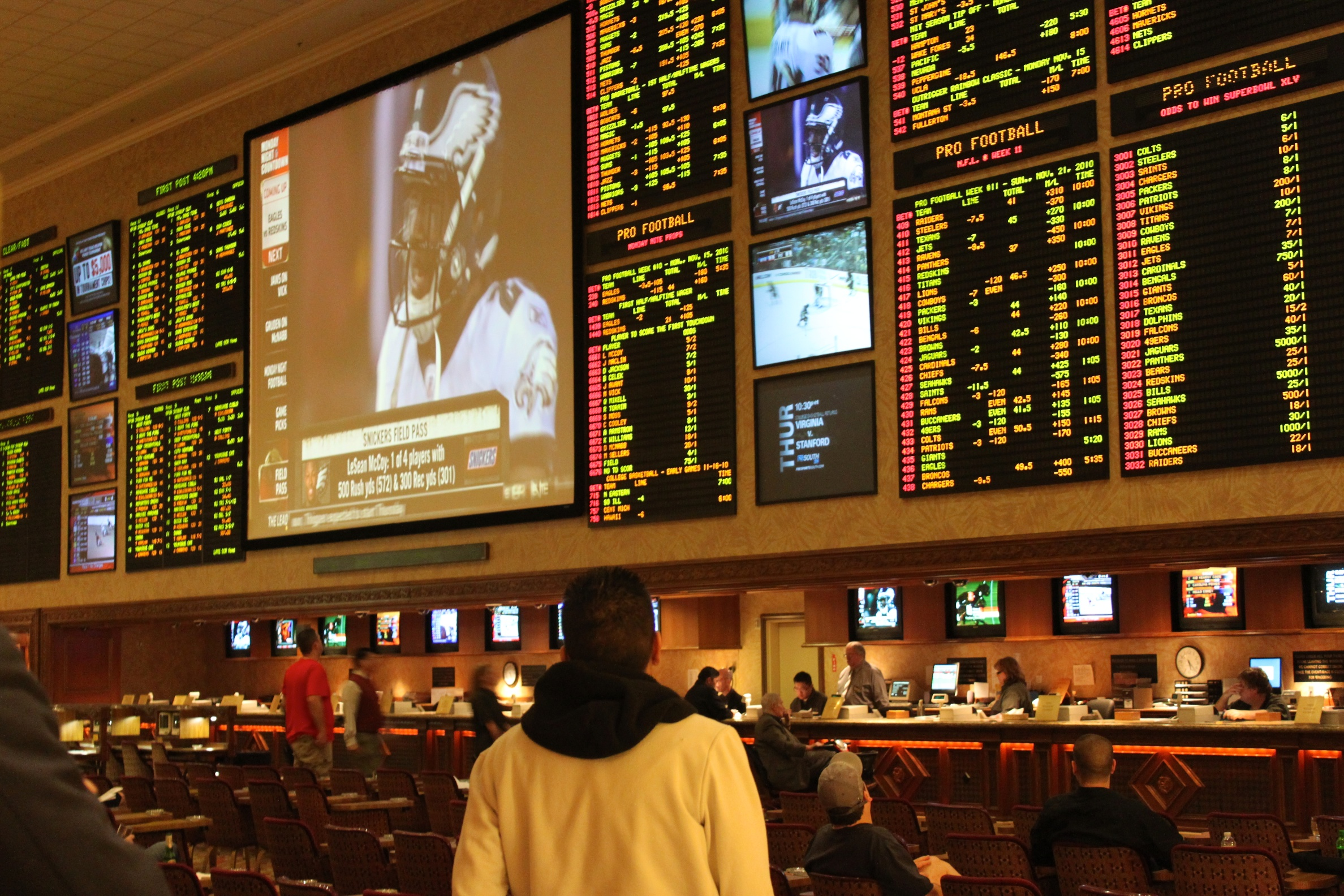
Sports betting is a cornerstone of UK gambling culture, with its own rich and often colloquial vocabulary. Major bookmakers like Bet365 and William Hill dominate this space, and their platforms are a living dictionary of these terms.
Types of Bets
The simplest bet is a Single on one outcome. An Accumulator (or Acca, the quintessential UK betting slang) combines multiple selections into one bet; all must win for the bet to pay out. Other common types include:
- Each-Way: A bet split into two parts: a ‘win’ bet and a ‘place’ bet (finishing in a top position).
- Over/Under: Betting on whether a statistic (like total goals) will be over or under a specified number.
- Handicap: Giving one team a virtual advantage or disadvantage to level the betting field.
Market & Trading Phrases
Here, language blends finance and sport. The Odds represent the probability of an outcome and determine your potential winnings. Your Stake is the amount of money you wager. Cash Out is the option to settle a bet early for a guaranteed return before the event finishes. In-Play Betting (or live betting) allows you to place bets after the event has started, with odds fluctuating dynamically. Phrases like “Price Boost” (a bookmaker’s enhanced odds offer) and “Suspension” (when betting is temporarily halted on a market) are also crucial.
Essential Business and Marketing English for iGaming
Driving growth and retaining players in a competitive market requires mastery of commercial terminology. This is the language of boardrooms, marketing agencies, and affiliate networks, especially at events like the annual ICE London exhibition, a key global iGaming industry event.
Acquisition & Player Value
Marketing efficiency is measured in acronyms. CPA (Cost Per Acquisition) is the cost to acquire a depositing player. Affiliate Marketing is a performance-based model where partners (affiliates) refer players for a commission. Once a player is onboarded, their Player Lifetime Value (LTV) is the total predicted revenue they will generate. A key challenge is managing Bonus Wagering Requirements (the number of times a bonus must be bet before winnings can be withdrawn), which directly impacts player value and satisfaction.
Compliance & Promotion
Promotion in iGaming walks a tightrope of excitement and strict regulation. Geo-targeting is the practice of directing content and offers to users in specific, legally approved territories. All promotional materials must adhere to the licence conditions of regulators like the UKGC, which mandate clear terms and responsible gambling messaging. Terms like Gamification (using game-like elements to enhance engagement) and VIP Programme (a tiered system for high-value players) are also central to modern player retention strategies.
Mastering the specialised English of the iGaming industry is not merely an exercise in vocabulary expansion. It is about gaining a functional understanding of the culture, technology, and stringent business logic that underpin a fast-moving, globally connected sector. From the technical certainty of an RNG to the commercial push of a CPA target, and from the casual slang of an ‘acca’ to the legal weight of KYC, this lexicon is your passport to effective communication and professional success within the thrilling world of iGaming.





Post Comment